- Customized information provided in six languages, including Chinese, Vietnamese, Myanmar, and Uzbek -
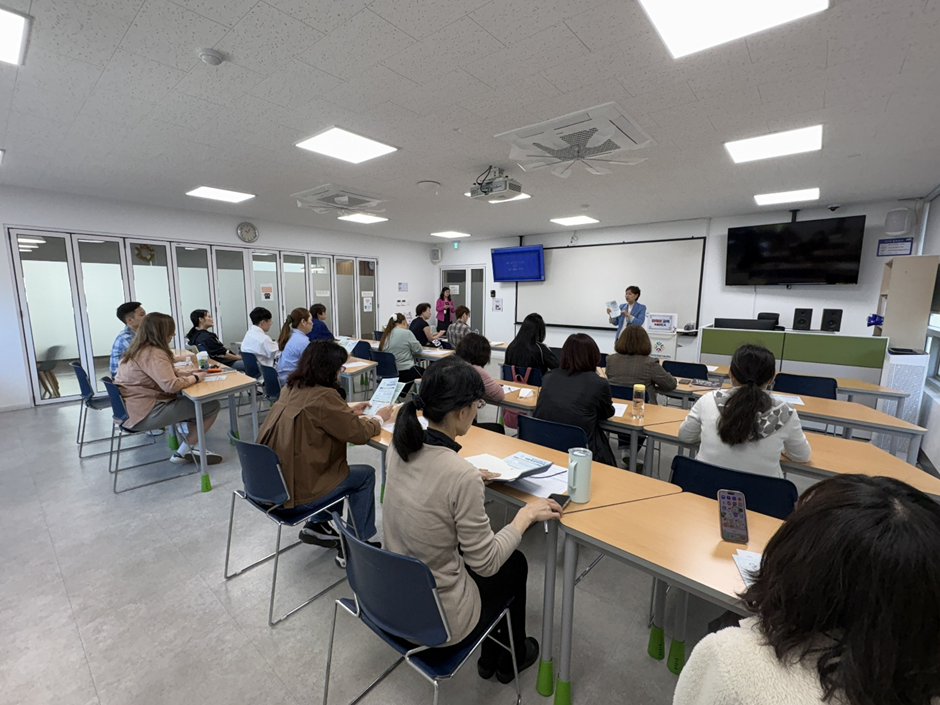
Incheon Metropolitan City announced that it has distributed local tax guide leaflets produced in six languages to improve convenience for foreign residents paying local taxes.
As of March 2026, 95,898 foreign residents were registered in Incheon. The largest groups by nationality are Chinese (14.3%), Vietnamese (10.6%), Myanmar nationals (5.5%), Uzbeks (4.3%), and Mongolians (3.4%). As tax delinquencies among foreign residents are spread across a wide range of nationalities, the need for customized guidance to overcome language barriers has continued to be raised.
The newly produced guide leaflets are available in six languages—Korean, English, Chinese, Vietnamese, Myanmar, and Uzbek—and include explanations of major local taxes such as resident tax and automobile tax, as well as payment methods. The leaflets also explain potential disadvantages resulting from tax delinquency, including restrictions on visa extensions, seizure of property and claims, and impoundment of vehicle license plates, in order to help foreign taxpayers better understand their obligations.
To improve foreign residents’ understanding of local taxes, Incheon plans to place the leaflets at frequently visited institutions such as Multicultural Family Support Centers and Foreign Resident Support Centers. The city also plans to actively promote local tax payment methods by directly visiting related organizations.
Incheon has also implemented the “Local Tax Delinquency Verification System Prior to Visa Extension,” which restricts visa extensions for delinquent foreign taxpayers. The city is pursuing delinquencies with the same level of enforcement applied to Korean nationals, including the garnishment of foreign worker insurance benefits (such as departure maturity payments and return travel funds) and dormant insurance funds.
“We produced these multilingual guide leaflets to prevent cases in which foreign taxpayers face disadvantages because they are unaware of tax delinquencies due to language barriers,” said Kim Beom-su, Director of the Incheon Finance Planning Bureau. “As foreign residents are subject to the same tax obligations as Korean nationals, we hope to establish a culture of responsible tax payment among foreign residents as well.”
 Automatic Translation
Initialize
Automatic Translation
Initialize
